


Starry Signs budget fit
The Starry Signs pattern works best when you treat the fabric budget as a flexible container rather than a fixed cost. Because the design relies on contrast between dark sky backgrounds and bright star points, your choices in fabric weight and source will dictate the final look and the total spend. Beginners often underestimate how much dark fabric is needed for the background, while advanced quilters might overspend on specialty metallic threads that add little visual value.
Scrap-friendly savings
This project is ideal for using up scraps from previous Block of the Month (BOM) quilts. Many quilters report that incorporating leftover fabric from past projects not only reduces waste but also creates a cohesive, personalized aesthetic. If you have excess fabric from previous BOMs, try to use it for the background or star points to keep costs low. This approach allows you to build a quilt at your own pace without the pressure of buying new materials.
Fabric weight and condition
Choose a cotton blend that holds its shape well during pressing. Lightweight fabrics may fray more easily, while heavy quilting cotton can make the finished quilt stiff. Check for colorfastness, especially if you plan to wash the quilt frequently. Dark fabrics should not bleed into your lighter star points. If you are using vintage or second-hand fabric, pre-wash it to ensure it shrinks to the same size as your new materials.
Thread and backing considerations
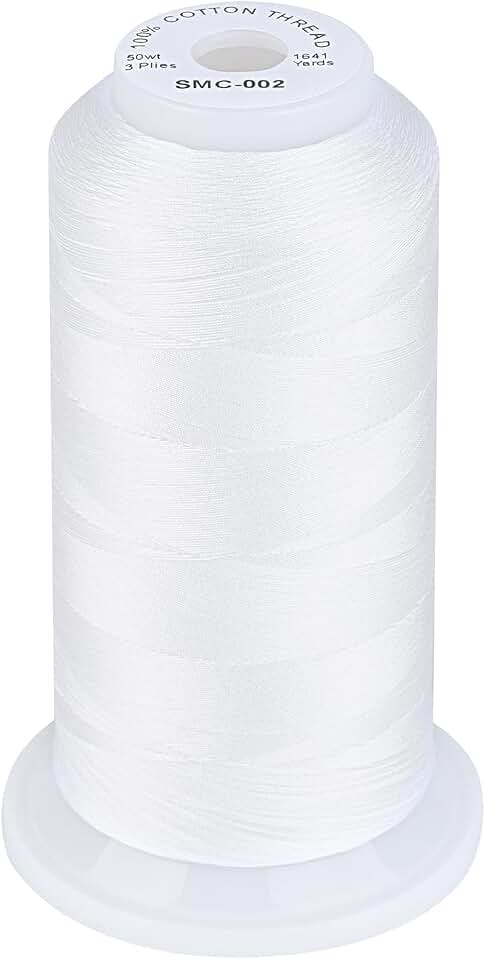
Thread quality matters more than you might think. Use a high-quality all-purpose polyester or cotton thread for piecing, and consider a matching thread for quilting. The backing fabric should be at least 2-3 inches wider than the quilt top on all sides. This extra width allows for trimming and binding without running out of material. Avoid using cheap, thin backing fabric, as it may not withstand the tension of the quilting process.
Compare Starry Signs Quilt Options
The Starry Signs Block of the Month program by Whole Circle Studio offers a structured way to build a constellation-themed quilt over twelve months. Because the pattern allows for significant customization, comparing the available resources helps you decide how to approach the project. Below is a comparison of the core components you will encounter during the twelve-month journey.
| Feature | Digital Download | Fabric Bundle | Community Access |
|---|---|---|---|
| Pattern Access | Full 12-block PDF library | Included in kit | Forum discussions |
| Fabric Selection | Your own choice | Pre-selected solids | Color swap ideas |
| Support Level | Self-paced tutorial | Curated thread matching | Monthly check-ins |
| Assembly Style | Standard piecing | Pre-cut accuracy | Layout inspiration |
Choosing between a digital-only approach and a physical fabric bundle depends on your existing stash. If you have a well-organized fabric library, the digital download provides the most flexibility. You can select your own background fabrics and accent colors for each constellation block. This approach allows you to use scraps from previous Block of the Month quilts, reducing waste and cost.
For those who prefer a guided experience, the fabric bundle simplifies decision-making. It includes pre-selected solids that are guaranteed to work together. This option is ideal for beginners who want to focus on mastering the piecing techniques without worrying about color theory. The bundle also often includes matching thread, ensuring that the stitching blends seamlessly with your fabric choices.
Regardless of the format you choose, the community aspect remains a constant benefit. Joining the maker showcase gallery allows you to see how other quilters have arranged their twelve constellation blocks. This visual inspiration is invaluable for planning your final quilt layout. You can also share progress photos and receive feedback on your pressing techniques, which are critical for achieving sharp points in the star shapes.
Inspection checklist for expensive failure points
When a Block of the Month program like Starry Signs hits the retrograde period, small errors compound across twelve months. A single misaligned seam or unpressed block can throw off the entire constellation layout, costing you time and fabric to fix. Treat each monthly delivery as a critical checkpoint rather than a casual hobby task.
1. Verify fabric yardage against the pattern map
Before cutting, lay out all monthly fabric bundles on a large surface. Check that the contrast fabrics for stars and the background solids match the designer’s spec sheet. Miscounting here leads to mid-project stops and expensive reorders. If you are using scraps, ensure they are pre-washed and colorfast to avoid shrinkage mismatches later.
2. Press every block flat immediately
Do not stack unfinished blocks. Heat and humidity during retrograde months can cause bias edges to warp. Press each block with a steady iron, using steam to set the seams. This prevents the "drunk" look where blocks appear uneven even if the piecing is accurate. A flat block is a predictable block.
3. Test the constellation alignment
Lay out three consecutive blocks before sewing them together. Check the star positions against the Starry Signs reference image. If the stars don’t align visually, adjust the seam allowance slightly on the next block. This proactive check saves hours of unpicking later when the quilt top is already assembled.
4. Inspect binding and backing tension
As the quilt grows, the batting can shift if not basted properly. Check the tension between the top and backing layers. Loose backing leads to puckering, especially in large constellation areas. Baste thoroughly before the final quilting stage to ensure the heavy star patterns sit flat against the frame.
Plan for ownership costs
A free or low-cost pattern is rarely free to own. The real expense lies in the materials, tools, and time required to finish the quilt. Block of the Month programs often release a new constellation block each month, but they rarely include the fabric, batting, or thread needed for each stage. You must budget for these recurring costs alongside the pattern subscription or download fee.
Fabric consumption varies significantly by quilt size. A standard queen-size quilt using a starry sky theme may require 3–4 yards of background fabric and 2–3 yards of print fabrics for the stars and constellations. If you plan to use scraps from previous BOMs, you can reduce this cost, but you must account for the time spent sourcing, washing, and organizing those remnants. Many quilters find that using scraps from two or more past projects helps offset the initial fabric investment.
Beyond materials, consider the tools you already own. Pressing quilt blocks correctly is essential for alignment. You will need a high-quality iron, an ironing board or pressing mat, and a rotary cutter with fresh blades. If you lack these, the startup cost can exceed the pattern price. Factor in the cost of a walking foot for your sewing machine if you plan to quilt the layers evenly, as this accessory prevents shifting and ensures professional-looking results.


As an Amazon Associate, we may earn from qualifying purchases.
When evaluating a BOM, ask yourself how much fabric you already have in stock. If you are starting from zero, the total cost can quickly approach that of a commercial quilt. However, if you treat the BOM as a long-term project, you can spread these expenses over months or even years. This approach makes the ownership cost more manageable and allows you to build a finished quilt piece by piece without financial strain.
Starry signs: what to check next
If you are considering the Starry Signs Block of the Month, you likely have practical questions about how the program works and how it fits into your quilting routine. Here are the most common questions from the community.
No comments yet. Be the first to share your thoughts!