

What is the Starry Signs quilt?
The Starry Signs quilt is a 12-block Block of the Month (BOM) pattern designed by Whole Circle Studio. It transforms the concept of a zodiac calendar into a tangible textile project. Each month, subscribers receive the materials and instructions for a single block featuring a specific constellation. By the end of the year, these individual pieces assemble into a cohesive, large-scale quilt top.
This project is distinct from traditional astrology interpretations; it focuses entirely on the physical execution of the design. The pattern utilizes foundation paper piecing (FPP) to handle the intricate details of star maps and constellation lines. This technique allows for precise angles and sharp points that are difficult to achieve with standard piecing methods alone. The result is a quilt that resembles a night sky, with dark backgrounds punctuated by the geometric shapes of the constellations.
The finished quilt is designed to be a statement piece, typically measuring around 80 inches by 80 inches when assembled. This size makes it suitable for a king-sized bed or a large throw for a sofa. The fabric choices usually involve deep navy or black batiks for the sky, contrasted with metallic or bright threads for the stars, creating a dramatic visual effect.
The BOM format spreads the workload over 12 months, making a complex project manageable. Instead of tackling the entire quilt at once, quilters focus on one block per month. This approach reduces decision fatigue and allows for a steady, rhythmic progress through the year. It is ideal for quilters who enjoy structured projects with clear monthly goals.
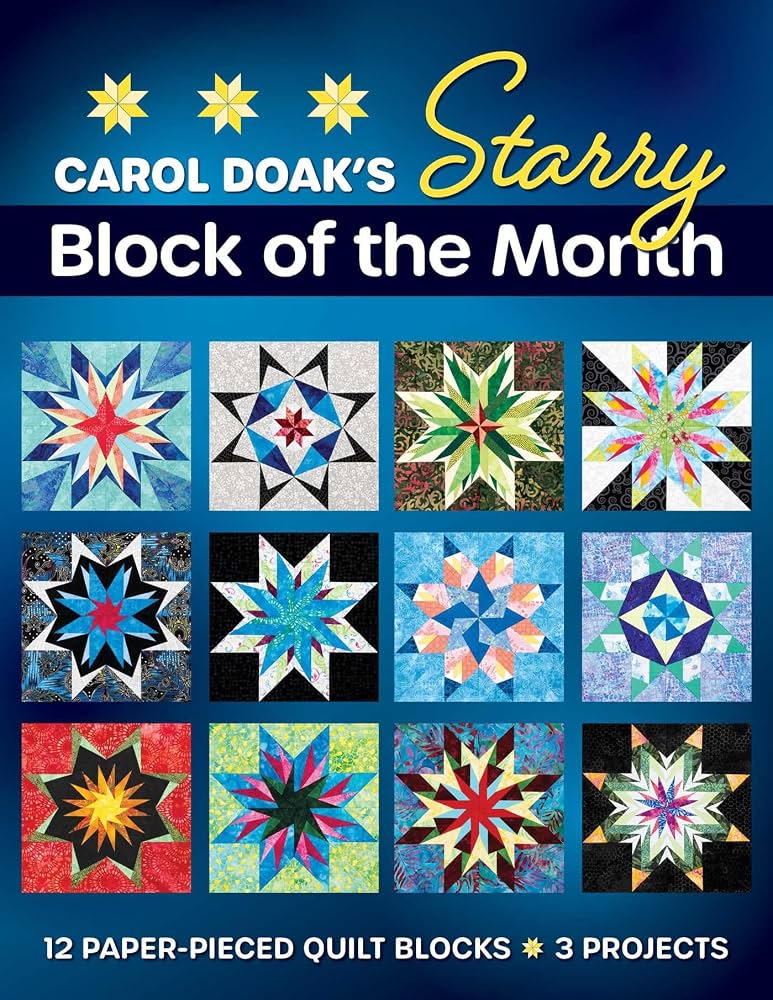
Starry Signs fabric kit options
Whole Circle Studio offers the Starry Signs pattern through a few different purchasing paths, primarily designed to accommodate quilters who already have fabric stash versus those who want a complete, coordinated experience. The most common option is the full fabric bundle, which includes pre-cut or fat quarter bundles tailored to the specific colorway. These kits typically support multiple finished sizes, ranging from a wall hanging to a full throw, allowing you to scale the constellation layout based on your available space and time.
If you prefer to source your own materials, the pattern-only option is available separately. This gives you the freedom to choose fabric substitutions or use leftover scraps from previous projects. However, keeping the pattern and fabric purchases together often ensures color harmony, especially since the constellation design relies on high-contrast backgrounds to make the star shapes pop.
| Option | Includes | Best For |
|---|---|---|
| Full Fabric Kit | Pattern + Fabric Bundle | Quilters wanting a streamlined, all-in-one purchase |
| Pattern Only | PDF or Paper Pattern | Stash-busting quilters or those wanting custom color palettes |
| Block-Specific Kits | Pattern + Monthly Fabric Drops | Block of the Month (BOM) participants |
The full fabric kits usually come with the foundation paper piecing (FPP) templates included, which is a significant time-saver since the constellation shapes require precise accuracy. When buying a kit, check if it includes the backing fabric and binding; some vendors sell these separately to keep the base price lower.

As an Amazon Associate, we may earn from qualifying purchases.
Technical Specifications
Sewing the zodiac constellation blocks
The Starry Signs quilt relies on foundation paper piecing (FPP) to render the intricate star patterns of each constellation. This technique allows for precise angles and sharp points that are difficult to achieve with traditional piecing. The kit includes the necessary pattern sheets, but the method requires a specific workflow to keep the fabric layers stable.
Prepare your materials
Before cutting fabric, lay out your supplies. You will need a rotary cutter, mat, and clear acrylic ruler for accurate fabric trimming. Ensure your sewing machine needle is sharp; a fresh size 80/12 needle prevents skipped stitches on multiple fabric layers. The kit provides the paper foundations, but you must source your own coordinating fabrics. Use a walking foot if your machine has one to help feed the thick paper and fabric stack evenly.
Cut and place the fabric
Cut your fabric pieces slightly larger than the designated sections on the paper pattern. Place the fabric right side up on the back of the paper foundation. Align the fabric edge with the seam line, leaving a 1/4-inch seam allowance beyond the printed line. This extra margin ensures there is enough fabric to cover the next piece without gaps. Trim any excessive bulk before sewing to keep the block flat.
Sew and press the seams
Sew directly on the printed seam line. After stitching each section, flip the paper over and press the fabric flat with an iron. This step is critical; it sets the seam and ensures the fabric lies smooth against the paper. Use a point turner or the tip of your scissors to poke out sharp points on the star tips. Pressing after every single seam prevents bulk buildup and keeps the final block crisp.
Trim and assemble
Once all sections for a constellation are pieced, trim the block to the final size using your ruler. The Starry Signs pattern typically results in a 12-inch finished block. Align the edges carefully, as the paper piecing can sometimes shift slightly during the final trim. These completed blocks are then joined together using a 1/4-inch seam allowance to form the full quilt top, creating a cohesive celestial map.
Layouts and customization ideas
The Starry Signs quilt kit is built around twelve distinct constellation blocks, but the final design is entirely up to you. While the standard grid is a classic choice, the pattern instructions include several bonus layouts that change the quilt's visual weight and drape. You can arrange the blocks in a traditional nine-patch style, stagger them for a more dynamic sky-like effect, or use the bonus patterns to create a border that frames the constellations.
Fabric choices play a major role in how these layouts read. Using a dark navy or black background fabric makes the white star points pop, while a lighter background creates a softer, daytime sky look. The bonus patterns often suggest using contrasting binding fabrics to highlight the edges of specific blocks, which helps define the individual zodiac symbols even when they are grouped closely together.
If you want to add scale, consider leaving extra space between the blocks. A wide sashing strip in a complementary solid color can make each constellation feel like its own star. This technique also makes the quilting process easier, as you have more room to stitch intricate star patterns without worrying about intersecting seam lines. The kit’s flexibility allows you to adapt the design to your bed size, whether you are making a throw or a full quilt.
Where to buy Starry Signs resources
For the Starry Signs quilt, relying on the official designer materials is the only way to guarantee the constellation blocks align correctly across the twelve-month schedule. Whole Circle Studio hosts the primary pattern library and the dedicated bonus resources page, which includes the free tutorial and access to the community gallery. Using these official channels ensures you have the correct PDF files and the latest updates for the block-of-the-month structure.
The official gallery is particularly useful for seeing how other quilters have interpreted the fabric choices for the starry sky backgrounds. Since the design relies heavily on precise piecing for the zodiac signs, referencing these completed projects can help you troubleshoot alignment issues before they become permanent. The pattern is designed to be assembled monthly, so having direct access to the designer’s support materials is essential for a successful finish.
While third-party retailers may sell the fabric bundles, the pattern itself is distributed exclusively through the studio’s website. This ensures that every quilter starts with the same accurate instructions. Always verify that you are downloading from the official Whole Circle Studio domain to avoid outdated or incorrect block instructions that could ruin the quilt’s overall geometry.
No comments yet. Be the first to share your thoughts!